
Car tyres are the only point of contact between your vehicle and the road, making them one of the most crucial safety components in your car. Yet, many drivers overlook tyre health until it’s too late. Understanding when to change car tyres can prevent accidents, enhance driving comfort, and prolong the life of your vehicle. Whether you use a traditional tyre or a tubeless car tyre, the signs remain the same—worn-out tyres can compromise safety and performance significantly.
In this article, we’ll walk you through the key warning signs that indicate it’s time to replace your car tyres, the importance of regular inspections, and the benefits of timely replacement.
.jpg.transform/carousel-image/image.webp)
Why Car Tyres Matter
Tyres influence almost every aspect of driving—grip, handling, braking distance, and fuel efficiency. Old or damaged tyres not only reduce performance but also put you at risk of blowouts, skidding, and poor braking in emergencies. This makes it crucial to recognize when to change car tyres before they cause problems.
Key Signs You Shouldn’t Ignore
- Tread Wear
The tread depth of your tyre determines how well it grips the road, especially in wet conditions. When tread depth drops below the legal limit (1.6 mm in many countries), tyres lose their ability to channel water, increasing the risk of aquaplaning. To check this, use the tread wear indicator built into most tyres or simply insert a coin into the tread grooves. If the tread looks shallow, it’s time to change.
- Cracks and Cuts
Over time, rubber deteriorates due to exposure to heat, sunlight, and road chemicals. Visible cracks or cuts in the sidewall are clear indicators of damage. Even if your tyres still have good tread, cracks can cause sudden air loss. For a tubeless car tyre, this could mean slow air leakage that may not be easily noticed, making regular inspections even more important.
- Bulges and Blisters
If you notice bulges on the tyre’s surface, it means the internal structure has weakened. This poses a serious risk of blowouts at high speeds. Driving with such tyres is extremely unsafe, and immediate replacement is the only solution.
- Uneven Wear
Tyres should ideally wear out evenly, but poor wheel alignment, unbalanced suspension, or incorrect inflation can lead to uneven wear patterns. If you see one side of your tyre wearing faster than the other, it’s both a mechanical issue and a sign that tyre replacement may be required.
- Frequent Air Loss
If you constantly need to refill air, your tyre may have internal damage or a puncture that isn’t repairable. In the case of a tubeless car tyre, small punctures can sometimes be fixed with sealants, but frequent air loss is a sign of compromised integrity, demanding replacement.
- Vibrations While Driving
While some vibrations are due to road conditions, continuous and unusual vibrations could point to tyre imbalance or internal tyre damage. Ignoring this could not only harm your tyres but also affect your car’s suspension system.
- Tyre Age
Even if your tyres appear fine, age plays a big role. Tyres older than 5–6 years can lose elasticity, making them prone to cracking and failure. Always check the manufacturing date printed on the tyre sidewall. If your tyres are too old, it’s safer to replace them regardless of their external condition.
The Role of Tubeless Car Tyres
Modern vehicles often come with a tubeless car tyre setup, which has several advantages over traditional tube-type tyres. Tubeless tyres reduce the risk of sudden air loss during punctures, provide better heat dissipation, and are generally lighter. However, they are not immune to wear and tear. Just like traditional tyres, tubeless tyres must be replaced when tread depth is insufficient, cracks appear, or bulges develop.
Benefits of Timely Tyre Replacement
Replacing your tyres at the right time offers numerous benefits:
- Improved Safety: Fresh tyres ensure better braking and handling.
- Enhanced Comfort: Smooth rides without vibrations or noise.
- Better Fuel Efficiency: Properly functioning tyres reduce rolling resistance.
- Increased Longevity of Vehicle Components: Prevents extra stress on suspension and braking systems.
Timely replacement is an investment in your safety and your vehicle’s long-term performance.
How to Extend Tyre Life
While tyres will eventually need replacing, you can extend their lifespan by following some simple practices:
- Maintain Correct Air Pressure: Check and adjust tyre pressure regularly.
- Rotate Tyres: Rotating every 8,000–10,000 km ensures even wear.
- Wheel Alignment and Balancing: Keep your wheels aligned and balanced to prevent uneven wear.
- Avoid Aggressive Driving: Sudden braking and sharp cornering accelerate tyre damage.
- Regular Inspections: Make a habit of visually inspecting your tyres for cuts, cracks, or bulges.
Conclusion
Knowing when to change car tyres is vital for your safety and comfort on the road. From tread wear and cracks to bulges and frequent air loss, the signs are easy to spot if you remain vigilant. Even with modern options like the tubeless car tyre, timely replacement is crucial to avoid sudden breakdowns and maintain driving performance.
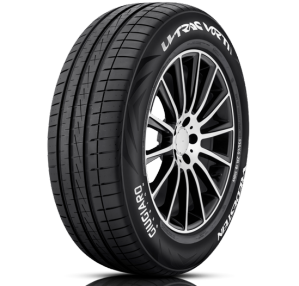
For drivers who prioritize safety, performance, and durability, investing in a trusted brand makes all the difference. Vredestein Tyres offers a wide range of high-quality tyres designed to meet the demands of modern vehicles, ensuring that every drive is safe, smooth, and reliable.
