
Ever notice how some loaves rise just right—airy inside, crisp crust outside—and others fall flat like tired pancakes? The secret’s not always the recipe. It’s the proofing. And that’s where the proofing bowl for bread steps in like a quiet hero. Most folks overlook it, thinking any old bowl will do. But the right one? It shapes, supports, breathes with your dough. A good proofing bowl gives structure and texture—lets air flow in just enough, keeps moisture balanced, and makes turning out that dough easier than you’d think. Once you’ve used a proper banneton or a smooth wooden bowl, you’ll never go back to plastic mixing bowls again. It’s not fancy gear—it’s essential craft.
Why Dough Deserves a Proper Home
Bread’s alive. It breathes, stretches, expands, and contracts. Treat it wrong, and it sulks. You ever tried proofing dough in a metal bowl and ended up with a sticky mess that never lifted? Yeah, we’ve all been there. Dough needs a breathable place to grow—something that cradles it while letting it dry just enough to form that soft outer skin. That’s why a proofing bowl for bread isn’t just tradition—it’s science, craft, and a touch of patience all mixed in. Whether you’re working with sourdough, rye, or wheat, giving dough a cozy, well-shaped bowl changes everything.
Natural Materials Matter More Than You Think
There’s a reason bakers swear by rattan or wooden proofing baskets. They’re not just rustic decoration pieces for Instagram. These materials pull a touch of moisture from the dough’s surface, helping that perfect crust form. Plastic? It traps humidity. Metal? Too cold, no breathability. Natural fibers, though—they breathe. They make the dough dry out just enough to hold its shape. And here’s the kicker: your bread won’t stick. Dust the bowl with flour, set your dough inside, cover it up, and watch the magic happen. You’ll get that lovely spiral pattern too—the kind that makes a loaf look professional without even trying.

Tools of the Trade: Bread Baking Supplies That Matter
You don’t need a bakery full of gadgets. You need tools that actually pull their weight. Proofing bowls, dough scrapers, digital scales, good scoring blades (lames), and a sturdy Dutch oven—these are the backbone of home bread baking. A solid bench scraper will keep your counter clean and your dough obedient. A sharp lame gives your loaf that signature ear when it bursts open in the oven. And don’t underestimate the humble kitchen scale—because guesswork’s what ruins consistency. Bread baking supplies aren’t about collecting shiny stuff. They’re about picking gear that works as hard as you do.
The Proofing Stage: Where the Dough Finds Its Soul
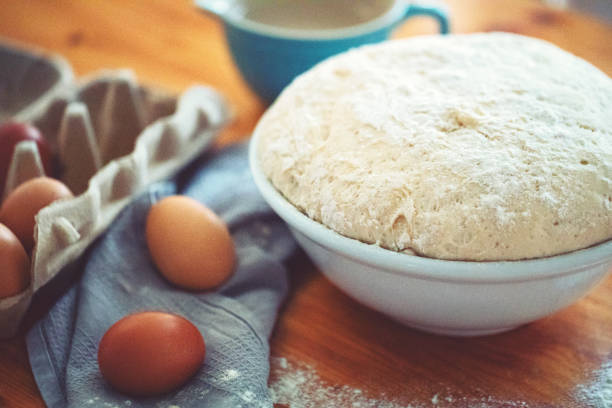
Let’s get real—proofing is where your bread either wins or dies. It’s not just sitting around waiting. It’s the dough’s final moment to gather strength. You can feel it if you’re paying attention—the bounce, the air bubbles under the surface. A good proofing bowl keeps that dough snug and supported. Too much air? It dries out. Too little? It gets gummy. Bread needs balance. When you get it right, you’ll know. The dough jiggles like a belly full of laughter. That’s the sign—it’s alive, ready for the oven.
Common Proofing Mistakes (and How to Dodge Them)
Here’s what most beginners mess up. They either rush it or overdo it. Proofing isn’t about the clock—it’s about the dough. Stop watching the timer and start watching the texture. If it’s doubled in size but still feels firm, it’s not ready. If it’s collapsing and sticky, you went too far. Another big slip-up? Proofing in metal or glass bowls that don’t breathe. Get a proper proofing bowl for bread—wood, rattan, or even linen-lined—and let your dough live a little. Oh, and don’t forget to flour your bowl generously. It’s a small step, but it’ll save your sanity when you’re trying to tip the dough out later.
Why Shape and Texture Start in the Bowl
The final loaf’s shape begins long before the bake. A round proofing bowl yields a tight boule. An oval one gives that classic sandwich shape. Choose your bowl based on what kind of bread you love most. Want a rustic, artisan-style loaf with those gorgeous cracks? Go with a rattan banneton. Prefer a smooth, shiny crust? Linen-lined works wonders. The bowl molds your dough as it rises—sets its final form before heat even touches it. So, if your bread keeps slumping flat, the problem might not be your hands. It might be your bowl.
Caring for Your Proofing Bowl Like a Pro
A good proofing bowl will last you years—if you treat it right. Don’t wash it like a dinner plate. That’s a rookie move. A quick brush-out is all it needs after use. Maybe a light wipe with a dry towel if it’s messy. If you scrub it with soap, you’ll ruin the natural coating and kill the seasoning that builds up over time. That thin layer of flour and dough that clings? That’s flavor history. It helps with non-stick performance, too. Just keep it dry and aired out. That’s it. Simple, but crucial.
Building Your Home Baking Setup
You don’t need a bakery kitchen. You need a corner that works. Clear counter space, a big mixing bowl, your proofing bowl, a Dutch oven or baking stone, and some simple tools. Keep it minimal and efficient. Invest in quality bread baking supplies that’ll hold up to time—wooden spoons that won’t crack, linen covers that breathe, bowls that actually help the dough rise properly. When you create a dedicated baking space, even a small one, it changes how you work. Bread baking becomes less of a weekend project and more of a rhythm—like brewing coffee in the morning.
Sourdough and the Proofing Bowl Connection
Sourdough lives by different rules. It’s temperamental, wild, unpredictable. That’s why it needs structure. The proofing bowl gives that support during those long fermentation hours. It helps maintain shape and keeps the dough from spreading out like a lazy pancake. For sourdough, a well-floured rattan bowl is gold. It absorbs excess moisture, creates that signature cracked crust, and gives a natural roundness that defines artisan loaves. Sourdough and proofing bowls—they go hand in hand. You can’t have one without the other, not if you want real results.
Bread Baking Supplies That Make Life Easier
Let’s talk about efficiency. A good bench scraper saves time and your sanity. A proper scoring blade turns an average loaf into bakery-worthy art. Silicone baking mats? Great for cleanup. Digital thermometer? Critical for checking dough temps (most people overlook that). The truth is, bread baking supplies aren’t about spending money—they’re about making the craft smoother. Less mess, more focus. Because when you’re not fighting sticky dough or uneven bakes, you can focus on flavor, texture, and that intoxicating smell of fresh bread filling your kitchen.

From Dough to Loaf: The Final Transformation
When that dough finally hits the oven, it’s not just baking—it’s becoming. Everything you did before this moment—the kneading, resting, shaping, proofing—all comes together. The bowl you used, the tools you trusted, they leave their mark. Bread is honest that way. It shows you what you did right, and what you didn’t. But when it all clicks? You pull out a loaf that sings. Crust that cracks, crumb that’s light and springy. And it all starts with the basics—the right proofing bowl for bread and solid bread baking supplies that do the work without fuss.
FAQs About Proofing Bowls and Bread Baking Supplies
What is the best proofing bowl for bread?
A rattan banneton or wooden proofing bowl is ideal. They’re breathable, absorb moisture, and help shape your dough beautifully.
Can I use a metal or glass bowl for proofing?
You can, but it’s not ideal. Those materials trap moisture or stay too cold, preventing proper rise and texture.
How do I clean my proofing bowl?
Skip the soap. Just brush out the flour and dough bits. Keep it dry and stored in a cool place.
Do I need special bread baking supplies to get started?
Not fancy ones, just the essentials: a proofing bowl, dough scraper, scale, lame, and a sturdy baking vessel like a Dutch oven.
What’s the difference between proofing and fermenting?
Fermenting is the first rise; proofing is the second. The proofing bowl helps with the final shape before baking.
The Final Crust
Bread baking’s not about perfection. It’s about rhythm, patience, and a little mess. Every loaf tells a story, every bowl leaves a print. Whether you’re a weekend hobbyist or knee-deep in flour every morning, remember—your tools matter. The right proofing bowl for bread isn’t just a piece of equipment; it’s a partner in craft. And if you’re ready to take your loaves from “good enough” to “can’t stop staring at it,” get yourself the real stuff.
