In the highlands of the ancient city of Addis Ababa, into the expansive plains of the Serengeti, the trip between Ethiopia and Tanzania is a boon for several East African tourists. It does not matter whether it is a bucket-list safari, a business trip to Dar es Salaam, or a relaxing getaway in Zanzibar knowing the entry requirements is the preliminary step to a successful journey.
In 2026, the electronic visa (eVisa) remains the most efficient way to secure your travel permit. This guide breaks down everything you need to know about the Tanzania eVisa for Ethiopia Citizens.
Do Ethiopian Citizens Need a Visa for Tanzania?
Yes. The citizens of Ethiopia cannot access the United Republic of Tanzania without a visa. It should be emphasized that Ethiopia has been classified as a country that falls into the category of the Referral Visa list, that is, the application needs additional clearance by the Commissioner General of Immigration. Due to this fact, it is strongly advisable to do online with the help of a professional agent, in order to guarantee that all the information concerning a referral has been processed properly, prior to your arrival.
What Is the Specific Tanzania Tourist Visa for Ethiopians?
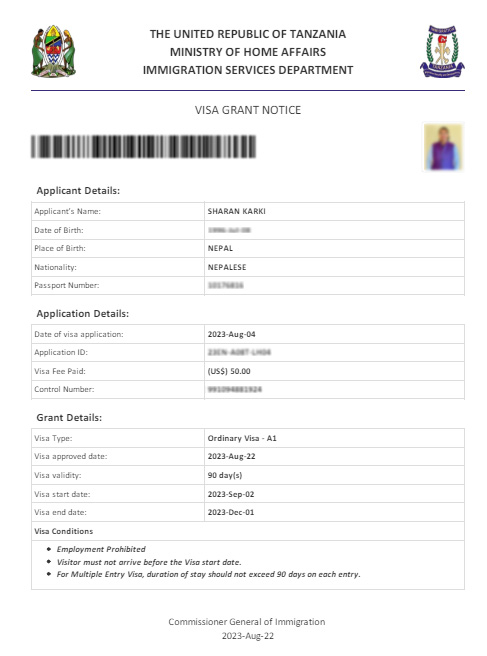
The Ordinary Visa, commonly referred to as the Tanzania Tourist e-Visa, is the most requested type for citizens of Ethiopia. It is designed for those visiting for holidays, tourism, or visiting family. This visa allows for a single entry and a stay of up to 90 days, providing ample time to explore both the mainland and the islands.
How Does the Tanzania Transit Visa Work?
If you are passing through Tanzania to reach a third destination (like Kenya or Zambia) and your stay is less than 7 days, you should apply for a Transit Visa. Please note that you must provide proof of a return flight or a visa for your final destination to be eligible for this category.
What are the Tanzania eVisa Types for Ethiopia Citizens?
Depending on your reason for travel, you can apply for several different visa categories:
Ordinary Visa (Single Entry): This is the most common type of visa that is granted to the tourist and visitor with the time frame of up to 90 days.
Tourism Visa: This is his/her leisure and holiday purpose.
Transit Visa: Applicants who are passing through Tanzania to other countries (up to 7 days).
Multiple Entry Visa: It is made to suit persons who travel frequently or have family members in Tanzania.
Business Visa: This is to be used by professionals who have a meeting, trade, or temporary work related assignment.
How long does it take for your eVisa to be approved?
We understand that travel plans can be urgent. Through evisa-tanzania.it.com, Ethiopian applicants can choose from three processing tiers to suit their timeline:
Normal Processing: 4 – 7 Working Days
Rush Processing: 3 – 5 Working Days
Super Rush Processing: 2 – 4 Working Days
Is a Yellow Fever Vaccination Required for Ethiopian Travelers?
Because Ethiopia is located in a region where Yellow Fever is present, you must carry a valid International Certificate of Vaccination (Yellow Card). Immigration officers at Kilimanjaro (JRO) and Julius Nyerere (DAR) airports frequently check these certificates for travelers arriving from Ethiopia.
How Can the Agent Help Update My Visa Status?
One of the biggest advantages of using evisa-tanzania.it.com is proactive communication. Our system provides real-time updates. If the immigration office requests additional documents (common for referral visas), our team notifies you immediately and handles the re-submission, ensuring you are never left wondering about the status of your application.
What documents are required for a Tanzania visa?
To ensure a high approval rate, you should have the following digital documents ready:
Valid Ethiopian Passport: Must have at least 6 months of validity remaining.
Recent Passport-Style Photo: Clear, color image with a white background.
Return Flight Ticket: Proof of your scheduled departure from Tanzania.
Accommodation Proof: Such as a hotel booking confirmation or an invitation letter from a host.
Is There an Annual Limit on Entry?
For those holding an Ordinary or Business Visa, the entry is “Single Entry,” meaning once you leave, the visa is exhausted. However, you can apply for multiple eVisas throughout the year as long as your total stay does not violate local immigration laws. Frequent travelers should consider the Multiple Entry Visa, valid for 12 months.
Are ATMs and Cash Readily Available?
ATMs are widely available in major cities like Dar es Salaam, Arusha, and Stone Town (Zanzibar). Most machines accept Visa and Mastercard. However, when traveling to remote safari lodges, always carry some cash (Tanzanian Shillings or US Dollars printed after 2009) as digital connectivity for card machines can be unreliable in the bush.
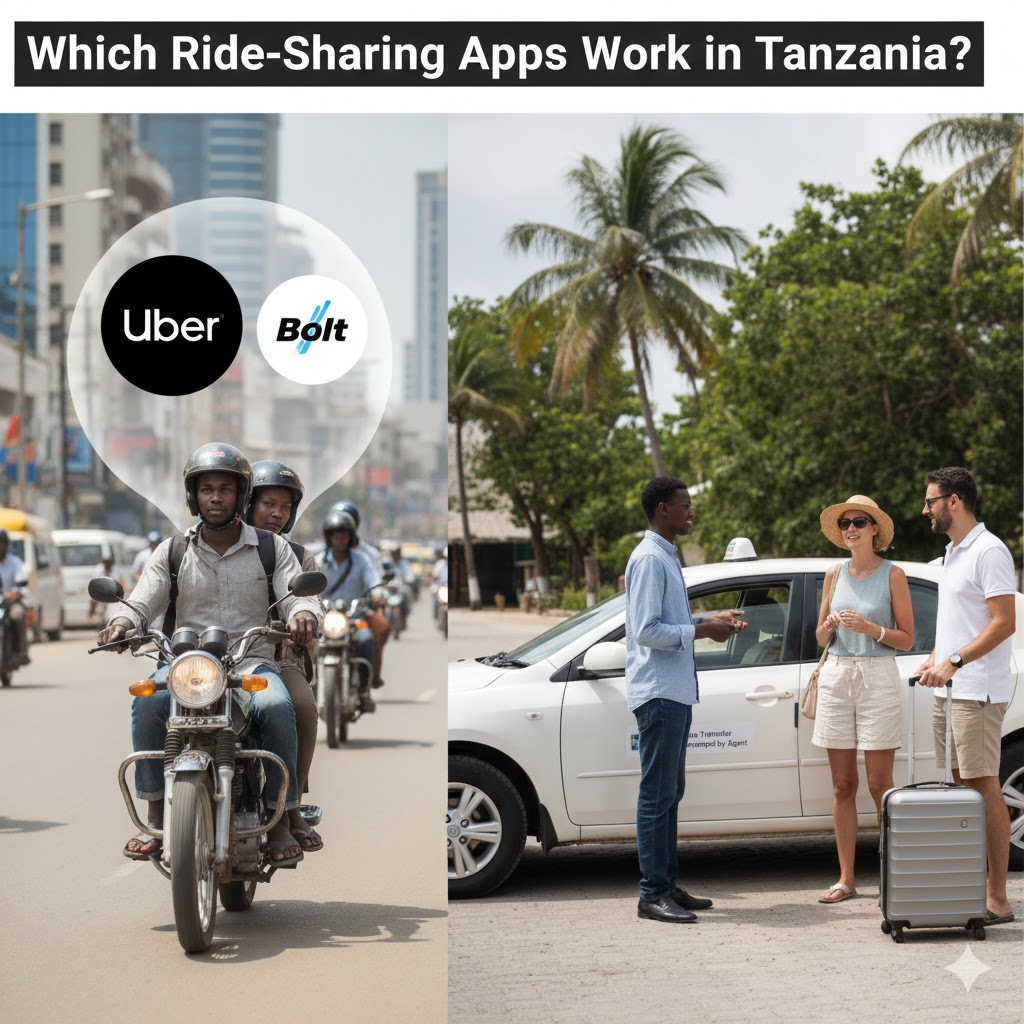
Which Ride-Sharing Apps Work in Tanzania?
For safe and affordable transport in Dar es Salaam and Arusha, Uber and Bolt are the most reliable apps. They offer both car and “boda-boda” (motorcycle) options. In Zanzibar, ride-sharing is less common, and traditional taxis or private transfers arranged by your agent are recommended.
What is the Cost and Refund Policy for the eVisa?
Transparency is vital for a stress-free trip. Please be aware of the following:
Government Fee: This is non-refundable as the system begins processing your security clearance immediately.
Service Fee: This covers our 24/7 support and expert review; it is non-refundable once the work has begun.
Rush Fees: Priority handling begins the moment payment is confirmed, so these add-ons are also non-refundable.
What Are the Electrical Plug Types in Tanzania?
Tanzania primarily uses Type G plugs (the rectangular three-pin plug used in the UK) and occasionally Type D. The standard voltage is 230V. Since Ethiopia primarily uses Type C, F, and G, you may need a universal adapter if your devices don’t match the three-pin standard.
What Healthcare Facilities are Available for Tourists?
Major cities have high-quality private hospitals, such as the Aga Khan Hospital in Dar es Salaam. For tourists, it is essential to have travel insurance that covers medical evacuation if you are planning to go on safari in remote areas. Remember that a Yellow Fever certificate is mandatory for Ethiopians.