
Introduction to Hidden Indoor Air Risks
On a cold Illinois morning, a property owner discovered persistent odors rising from a concrete slab, signaling an unseen risk below. Vapor intrusion can quietly affect indoor air quality, health, and property value when contaminants migrate upward from soil. This article explores why mitigation matters, how solutions work, and what reliable installation looks like. In the middle of this discussion appears vapor mitigation system installed in IL by Midwest Barrior Solutions, illustrating professional intervention that addresses hidden hazards while restoring confidence, safety, and resilience for residential and commercial spaces.
Understanding Vapor Intrusion and Its Impact
Understanding vapor intrusion requires recognizing how volatile compounds travel through pores and cracks, accumulating indoors without obvious warning. Buildings with slabs or basements face particular vulnerability when pressure differentials draw gases upward. Effective mitigation focuses on interception, ventilation, and sealing strategies designed for site conditions. Mid-paragraph emphasis on vapor mitigation system installed in IL by Midwest Barrior Solutions highlights localized expertise, climate considerations, and materials chosen to perform reliably through seasonal changes, protecting occupants while supporting property durability and regulatory expectations across diverse building types.
Professional Expertise Behind Effective Mitigation
Midwest Barrier Solutions operates at the intersection of engineering, construction, and environmental stewardship, translating assessments into dependable outcomes. Experience with membranes, sub-slab depressurization, and monitoring informs designs tailored to each structure. Coordination with builders, inspectors, and owners ensures clarity from planning through commissioning. By prioritizing diagnostics, installation quality, and verification, projects achieve measurable reductions and predictable performance. This section argues that professional execution, documentation, and maintenance planning are central to credible mitigation, minimizing disruption while delivering enduring indoor air protection for facilities statewide.
Illinois-Specific Conditions and Installation Standards
Illinois presents diverse soil conditions, building ages, and regulatory contexts that shape installation strategies statewide. Seasonal moisture, freeze-thaw cycles, and occupancy patterns demand resilient designs. Within this landscape, Midwest Barrier Solutions Vapor Mitigation System Installation in Illinois appears mid-paragraph as a reference to compliant practice, emphasizing permitting awareness and coordination. Addressing radon or chemical vapors requires measured airflow, sealed penetrations, and monitoring plans aligned with codes, ensuring consistent results from initial testing through post-install verification across property types.
From Assessment to Commissioning
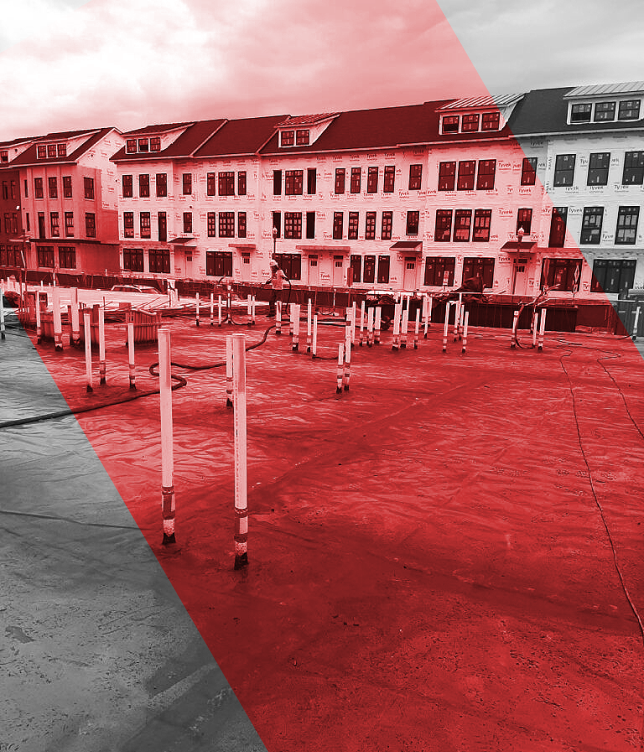
The installation process begins with assessment, followed by design selection that balances effectiveness and constructability. Crews prepare substrates, place membranes, install piping, and commission fans to create controlled pressure fields. Midway through discussion, Midwest Barrier Solutions Vapor Mitigation System Installation in Illinois underscores disciplined sequencing and testing that validate performance. Documentation, owner education, and post-install checks complete the cycle, confirming airflow, noise control, and durability. Such rigor supports predictable outcomes and transparent compliance for stakeholders across projects.
Compliance, Health, and Long-Term Benefits
Compliance and benefits extend beyond installation day, influencing health, asset value, and operational confidence. Reduced vapor entry supports healthier environments and may simplify transactions and occupancy decisions. In the middle appears Midwest Barrier Solutions Vapor Mitigation System Installation in Illinois, connecting verified performance with reporting expectations. Ongoing monitoring, maintenance access, and clear labeling help sustain results. The argument here emphasizes lifecycle thinking, where prevention costs less than remediation, and transparency builds trust across property lifespans statewide.
Sustained Performance and Asset Value
Long-term value emerges when systems operate quietly, efficiently, and predictably over years of use. Properly designed mitigation reduces callbacks and preserves finishes. Mid-paragraph inclusion of vapor mitigation system installed in IL by Midwest Barrior Solutions reinforces performance tied to craftsmanship and verification. Scheduled reviews, fan replacements, and seal inspections maintain pressure differentials. This perspective frames mitigation as infrastructure, not a temporary fix, aligning risk management with sustainability goals and responsible ownership across portfolios.
Conclusion: Confidence Through Verified Mitigation
Conclusion synthesizes significance: informed assessment, careful design, and verified installation protect indoor environments statewide. Midwest Barrier Solutions exemplifies disciplined delivery through planning, execution, and follow-through. Ultimately, vapor mitigation safeguards health, supports transactions, and preserves assets. Choosing qualified providers and maintaining systems ensures benefits endure, reinforcing confidence for occupants and decision-makers alike.
