
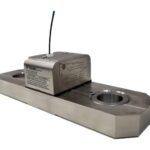
From the outside, a lift can look smooth and controlled. Inside the cab, the operator is making fast choices based on numbers that must be right. When load data arrives late, looks unclear, or cannot be trusted, even skilled crews face added risk. This is where the GC035 35K Wireless Load Cell plays a key role by providing clear load feedback early in the lift process.
Today’s job sites move quickly. Crews need tools that support safe decisions without adding stress or slowing the work. Below are common load monitoring problems seen on real job sites and how wireless load measurement helps solve them in a simple, practical way.
Problem 1: Not Knowing the True Load on the Hook
One of the most common challenges during a lift is uncertainty about the actual weight being picked. Load charts and estimates can change once rigging angles, load shape, or site conditions shift.
Wireless load measurement removes this guesswork by showing the real weight as soon as tension is applied. Operators can confirm conditions early instead of reacting once limits are already close.
Why this matters
- Reduces reliance on estimates
- Supports safer lift planning
- Builds confidence before the load leaves the ground
Problem 2: Warnings That Come Too Late
Many older monitoring setups only alert crews when the lift is already near its limit. At that point, stopping or correcting the lift may increase risk instead of reducing it.
Real-time load feedback allows operators to adjust speed, boom position, or lift path early. This keeps movements smoother and helps avoid sudden changes during critical picks.
Problem 3: Poor Communication Between Cab and Ground Crew
On busy sites, the person rigging the load often cannot see what the operator sees. Hand signals help, but they do not show live load conditions.
Wireless monitoring supports better teamwork by giving crews clear, shared load awareness. This reduces confusion during setup and improves coordination during movement.
Problem 4: Equipment That Slows Down Setup
Some load monitoring tools require long cable runs or complex installation steps. These delays add pressure and cut into job time.
Wireless designs reduce setup effort and remove many wiring issues. Crews can install, check, and move between lifts with less downtime and fewer connection problems.
Problem 5: Using One Tool for Every Lift
Not all lifts have the same demands. Light picks, medium loads, and heavy lifts each require different capacity ranges for accurate readings.
In the center of many lifting operations, the GC035 35K Wireless Load Cell supports jobs that fall between light-duty and extreme lifts. This helps crews avoid forcing a tool beyond its ideal range and improves measurement accuracy during daily operations.
Problem 6: Displays That Are Hard to Read
Complex screens and crowded data slow decision-making. Operators need information they can understand at a glance.
Modern wireless monitoring focuses on clear numbers and simple alerts. This reduces mental strain and helps operators keep attention on the lift, not the screen.
Problem 7: Loss of Accuracy Over Time
Some load systems drift due to wear, harsh weather, or vibration. Inconsistent readings can lead to doubt or repeated recalibration.
Wireless load devices are built to deliver stable signals in tough job site conditions. Reliable readings help crews trust the data day after day.
Problem 8: Switching Between Different Lift Types
Crews often move between mobile cranes, boom trucks, and other lifting equipment. Systems that adapt easily save time and reduce errors.
Flexible monitoring tools support different lift styles without major changes. This allows teams to stay focused on the task instead of equipment setup.
Problem 9: Limited Data for Safety Reviews
Post-lift reviews and safety meetings work best when backed by real numbers. Clear load data helps teams understand what went well and what needs improvement.
Wireless monitoring supports better planning by giving insight into load behavior during past lifts.
Bringing It All Together
Most load monitoring problems do not start with a major mistake. They begin with small gaps in timing, visibility, or clarity. Solving these gaps leads to smoother lifts and safer job sites. For lighter-duty lifting needs, some crews also rely on tools such as the GC018 18K Wireless Load Cell to match capacity more closely to the task.
Frequently Asked Questions
How does live load data improve safety on site?
It allows crews to respond early instead of reacting after limits are reached.
Can wireless load monitoring work on different crane types?
Yes, many systems support mobile cranes, boom trucks, and other lifting equipment.
Does wireless equipment reduce setup time?
In most cases, fewer cables and connections lead to faster installation.
Why are estimates less reliable than live readings?
Rigging angles and load shape can change once lifting begins.
How often should load monitoring tools be inspected?
A check before each lift helps confirm accuracy and safe operation.
