
In the competitive world of sports and fitness, athletes are constantly seeking strategies to optimize performance, reduce injury risk, and accelerate recovery. One approach gaining attention is Lymphatic Massage in Riyadh, a gentle therapy that focuses on stimulating the lymphatic system rather than the muscles directly. By improving lymph flow and promoting fluid balance, this technique helps athletes recover more efficiently, maintain mobility, and support overall wellness without the soreness often associated with traditional deep-tissue massage.
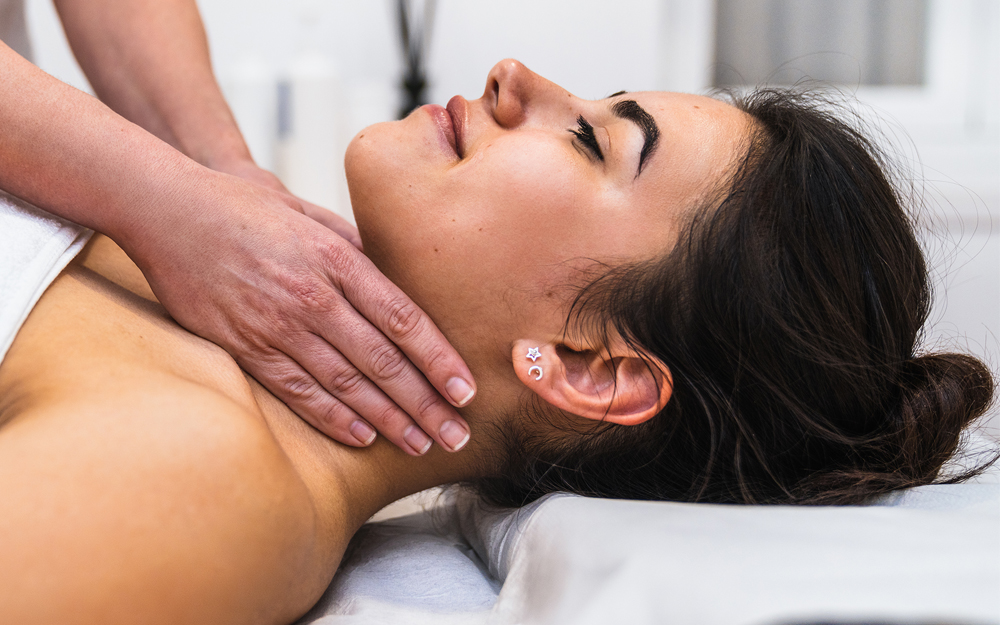
The Role of the Lymphatic System in Recovery:
The lymphatic system plays a central role in removing waste products, toxins, and excess fluid from tissues—processes that are crucial after intense physical activity. Efficient lymph circulation accelerates the body’s natural recovery mechanisms.
Key functions include:
-
Transporting immune cells to support tissue repair
-
Clearing metabolic byproducts like lactic acid
-
Maintaining fluid balance in muscles and joints
-
Enhancing overall cellular health and recovery
Supporting these functions can reduce post-exercise fatigue and discomfort.
How Lymphatic Massage Enhances Fluid Movement:
During physical exertion, microtrauma and fluid accumulation can occur in muscle tissues. Lymphatic massage uses light, rhythmic strokes to stimulate superficial lymph vessels, guiding fluid toward lymph nodes and reducing tissue congestion.
Benefits include:
-
Accelerated clearance of waste products
-
Reduction of post-exercise swelling
-
Improved nutrient and oxygen delivery to muscles
-
Enhanced tissue regeneration
These effects support faster recovery and help athletes return to training sooner.
Reducing Muscle Soreness and Fatigue:
Delayed onset muscle soreness (DOMS) is a common challenge for athletes. While traditional massage can provide relief, lymphatic massage offers an alternative by targeting fluid and immune system regulation rather than deep tissue manipulation.
Soreness-related benefits include:
-
Decreased swelling that contributes to tightness
-
Reduced pressure on muscle fibers
-
Promotion of natural recovery cycles
-
Less risk of bruising or overstimulation
Gentle techniques allow recovery without causing additional strain or soreness.
Supporting the Immune System:
Athletes often experience temporary immune suppression after intense exercise, increasing susceptibility to illness. The lymphatic system’s role in immune surveillance makes massage a valuable tool for maintaining defense mechanisms.
Immune-supportive effects include:
-
Improved lymphocyte circulation
-
Enhanced filtering of pathogens and debris in lymph nodes
-
Balanced immune response during periods of stress
-
Support for overall systemic resilience
Regular lymphatic massage can complement other recovery strategies for immune health.
Improving Circulation and Oxygen Delivery:
Optimal circulation is essential for recovery, as it delivers oxygen and nutrients to fatigued muscles. Lymphatic massage enhances circulation indirectly by reducing fluid congestion and promoting smoother lymph flow.
Circulation benefits include:
-
Increased oxygenation of tissues
-
Improved nutrient transport to muscles
-
Reduction in localized inflammation
-
Support for efficient recovery and energy replenishment
Better circulation reduces recovery time and enhances overall performance.
Stress Reduction and Nervous System Regulation:
High-performance athletes often experience mental and physical stress that can interfere with recovery. Lymphatic massage activates the parasympathetic nervous system, promoting relaxation and restorative processes.
Stress-related benefits include:
-
Lower cortisol and stress hormone levels
-
Reduced tension in muscles and connective tissues
-
Improved sleep quality and mental clarity
-
Enhanced readiness for subsequent training sessions
Calm nervous system function helps the body recover faster and more efficiently.
Addressing Chronic Inflammation:
Repetitive training can lead to low-grade inflammation in muscles, joints, and connective tissues. Lymphatic massage helps manage this by improving fluid drainage and supporting the immune system’s natural inflammatory response.
Benefits for inflammation include:
-
Reduction of tissue swelling
-
Prevention of stagnation in muscles and joints
-
Support for natural repair mechanisms
-
Maintenance of long-term joint and tissue health
Effective management of chronic inflammation is crucial for athletes with intensive training schedules.
How to Incorporate Lymphatic Massage Into Training:
Athletes can integrate lymphatic massage into their routines as part of pre- or post-training recovery. Timing and consistency are key for maximizing benefits without interfering with performance.
Integration strategies include:
-
Scheduling sessions after high-intensity workouts to reduce swelling
-
Using massage on rest days for overall recovery support
-
Combining with hydration and light movement to optimize lymph flow
-
Monitoring response and adjusting frequency based on training load
Strategic scheduling ensures that massage enhances recovery rather than disrupting training cycles.
Preparing for a Session:
Preparation for lymphatic massage is simple but improves results. Proper hydration and communication with the therapist ensure a safe and effective experience.
Preparation tips include:
-
Drinking water to facilitate lymphatic drainage
-
Wearing comfortable clothing to allow ease of movement
-
Informing the therapist about injuries, soreness, or medical conditions
-
Avoiding heavy meals immediately before the session
Prepared athletes are more likely to benefit fully from each session.
Common Misconceptions:
Some athletes may assume lymphatic massage is only for aesthetics or that it can replace other recovery methods. Clarifying its role helps set realistic expectations.
Clarifications include:
-
It supports internal recovery rather than directly manipulating muscle fibers
-
Benefits are cumulative, not immediate
-
It complements hydration, nutrition, sleep, and exercise strategies
-
It is safe and gentle, reducing risk of soreness or injury
Understanding these points encourages consistent, informed use of lymphatic therapy.
Choosing the Right Therapist:
The effectiveness of lymphatic massage depends on skill and knowledge. Selecting a therapist experienced in athletic recovery ensures the massage is safe and effective.
Key criteria include:
-
Certification and specialized lymphatic training
-
Familiarity with athlete-specific recovery needs
-
Ability to explain techniques and expected outcomes
-
Professional, comfortable treatment environment
A qualified therapist maximizes both safety and results for athletic clients.
Final Thoughts:
Athletes are increasingly turning to lymphatic massage for recovery because it addresses fluid balance, immune support, circulation, and inflammation without the risks of deep-tissue interventions. By integrating Lymphatic Massage in Riyadh into their routines, athletes can enhance recovery, reduce soreness, and maintain performance over time. While it is not a replacement for training, nutrition, or rest, lymphatic massage serves as a powerful, science-aligned tool that complements a holistic approach to athletic health and long-term performance.
