
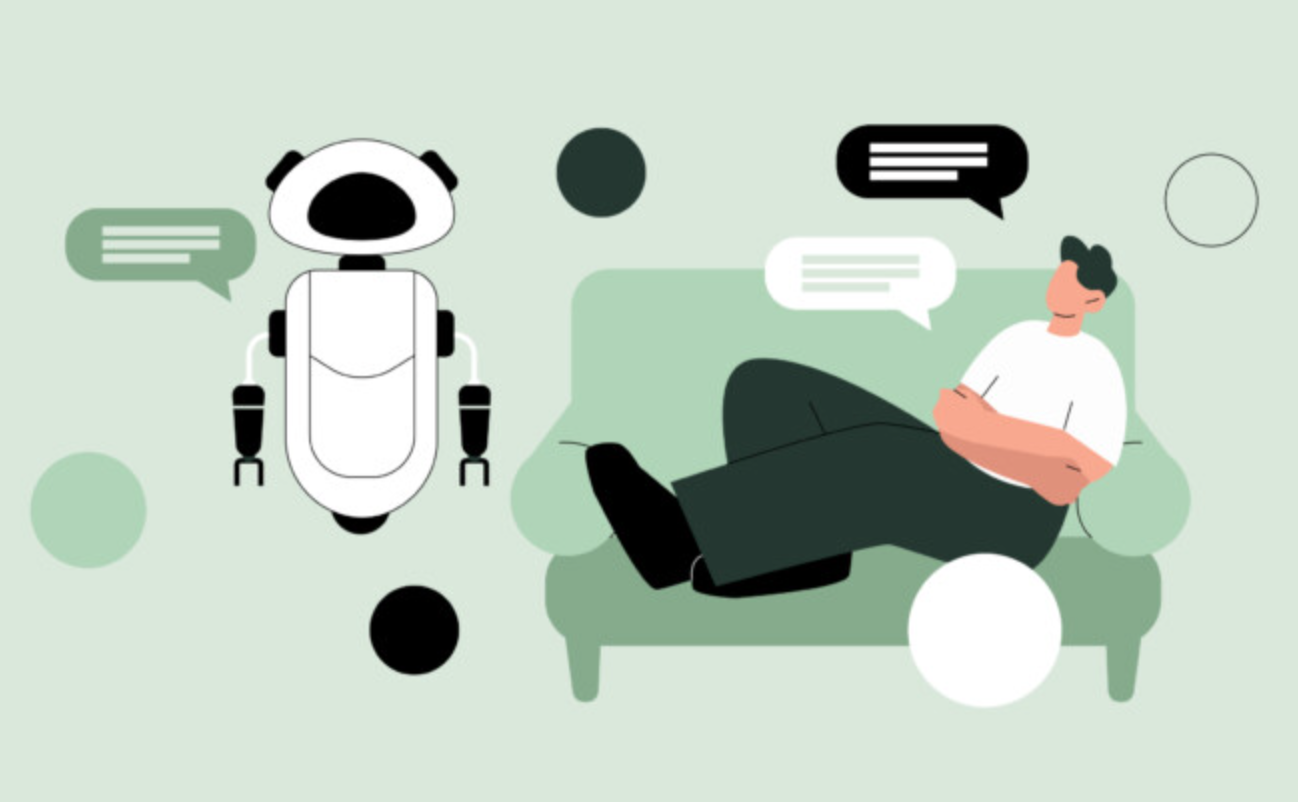
Mental health has become a central concern in today’s fast-paced and stressful world. Despite growing awareness, many people still struggle to access timely therapy due to cost, limited availability of professionals, and busy schedules. Fortunately, technology has introduced innovative solutions to bridge this gap. One of the most promising developments is therapist AI, a digital tool that provides interactive and accessible mental health support. Many platforms now offer AI free versions, making therapy more inclusive and convenient than ever before.
What is Therapist AI?
Therapist AI refers to artificial intelligence platforms designed to provide mental health support through conversational interfaces. These tools simulate interactions with a human therapist, offering guidance, emotional check-ins, and coping strategies. Using techniques derived from evidence-based therapy, including Cognitive Behavioral Therapy (CBT) and mindfulness exercises, therapist AI helps users manage stress, anxiety, and other emotional challenges.
Unlike traditional therapy, AI-powered platforms are available 24/7. This constant accessibility ensures that help is available whenever a person needs it. Users can engage in therapeutic exercises, track moods, and receive feedback without leaving their homes or paying high fees. Many platforms also provide AI free access, allowing anyone to explore mental wellness tools without financial barriers.
How Therapist AI Works
Therapist AI platforms function by analyzing user input and generating empathetic, personalized responses. Users can describe their feelings, daily challenges, or emotional struggles, and the AI responds with actionable advice or reflective prompts. Over time, these tools learn from interactions to provide more tailored support.
Key features of therapist AI platforms include:
-
Mood tracking: Helps users identify patterns in their emotions and recognize triggers.
-
Guided exercises: Offers CBT-based activities, mindfulness practices, and relaxation techniques.
-
Journaling prompts: Encourages self-reflection and emotional insight.
-
Personalized recommendations: Adapts guidance based on user responses and progress.
These tools make therapist AI a practical supplement to traditional therapy, helping individuals build resilience and maintain emotional well-being on a consistent basis.
Benefits of Therapist AI
There are several advantages to using therapist AI for mental health support:
-
Accessibility: Available anytime, making mental health support immediate and reliable.
-
Affordability: Many platforms are AI free, removing financial barriers to emotional care.
-
Privacy: Allows users to engage in anonymous conversations in a safe, judgment-free environment.
-
Consistency: Encourages regular check-ins, helping users develop self-care routines and coping strategies.
-
Ease of Use: Chat-based interfaces are intuitive and user-friendly, even for those unfamiliar with digital therapy.
Therapist AI is ideal for individuals dealing with mild to moderate stress, anxiety, or emotional challenges. It also benefits people who are hesitant to seek professional therapy due to social stigma or personal concerns.
Limitations of Therapist AI
Despite its advantages, therapist AI does have limitations:
-
Not a replacement for licensed professionals: AI cannot diagnose or treat severe mental health conditions.
-
Limited emotional nuance: AI may not fully grasp complex emotions or interpersonal dynamics.
-
Data privacy considerations: Users should ensure the platform encrypts personal information and protects sensitive data.
AI therapy works best as a supplemental tool for self-reflection, coping skill development, and daily stress management. In severe cases, consulting a licensed professional is crucial.

Therapy AI: A Closer Look
Further down the content, another important concept comes into play. A therapy AI platform provides a more interactive approach, often integrated into mobile apps or digital platforms. These tools allow users to access exercises, track emotional patterns, and receive AI-guided feedback anywhere, anytime. Many therapy AI platforms also offer AI free options, making it possible for individuals to benefit from digital mental health support without subscription fees.
Using a therapy AI, users can:
-
Engage in daily check-ins to monitor mood and progress
-
Access CBT-based exercises and mindfulness routines
-
Reflect on emotions with journaling prompts
-
Receive personalized recommendations to improve mental well-being
Therapy AI platforms bridge the gap between traditional therapy and self-care, giving users the tools they need to manage stress, anxiety, and emotional health on their own terms.
Popular Therapist AI and Therapy AI Platforms
Several AI-based platforms are gaining popularity for mental health support:
-
Woebot: Provides AI-guided CBT exercises and daily check-ins.
-
Wysa: Combines guided exercises, journaling, and AI support for emotional well-being.
-
Replika: Offers conversational AI interactions for self-reflection and mood management.
These platforms demonstrate how AI can complement human therapy, offering accessible, cost-effective, and interactive support for users worldwide.
The Future of AI Therapy
AI is transforming mental health care by making it more accessible, flexible, and personalized. Platforms offering AI free support, such as therapist AI and therapy AI, allow more people to take control of their emotional well-being without barriers. As technology advances, these tools are expected to provide even more nuanced and empathetic support, integrating seamlessly with professional therapy when needed.
Conclusion
AI-powered mental health solutions, including therapist AI and therapy AI, are revolutionizing how individuals manage emotional well-being. While AI cannot replace licensed professionals, it offers practical tools for stress management, self-reflection, and resilience building.
Take care of your mind anytime, anywhere! Explore our AI therapist free online and start your journey to better mental wellness today.
