
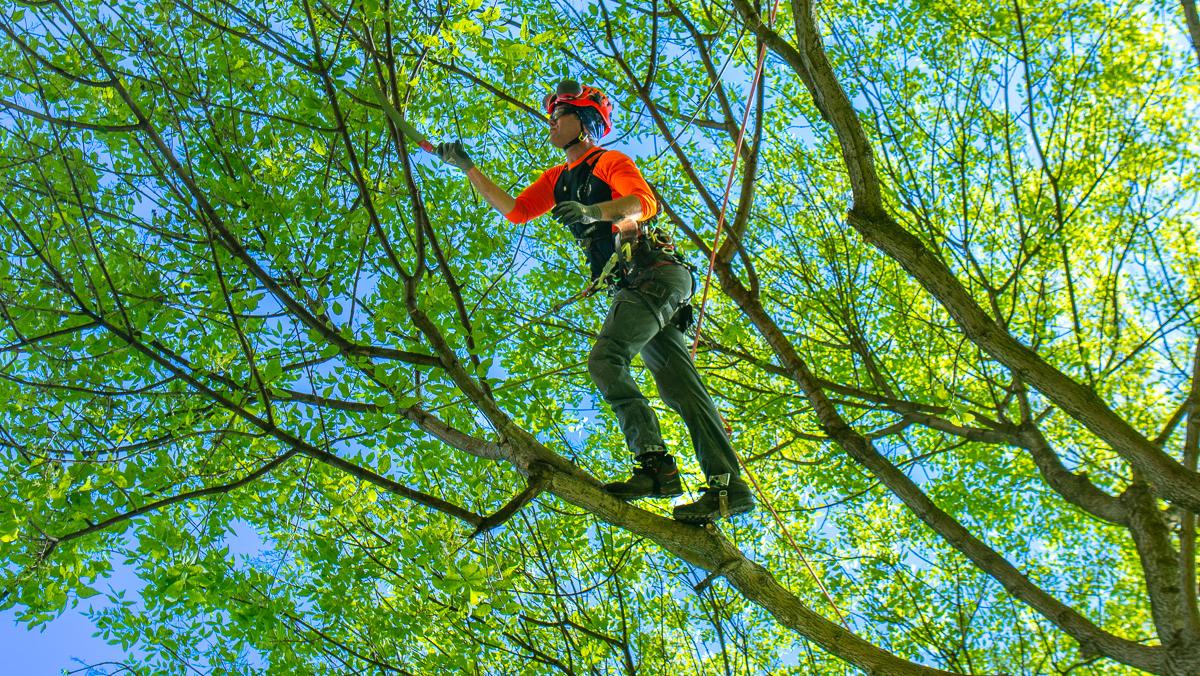
When should you book a tree pruning service so your trees thrive, look great, and pose no risk to your property or people? Timing matters. Choosing the right moment depends on tree species, growth cycles, and your local climate. Prune too early or too late and you could harm blooming, weaken growth, or invite pests. The goal is strong, healthy trees and safer landscapes.
Why Timing Matters More Than You Think
Pruning at the wrong time can slow healing, reduce blooms, or invite disease. Cutting when trees are stressed or actively growing draws pests and slows recovery. Correct timing can boost your tree’s natural defenses and reduce future maintenance costs. It’s not guesswork, it’s science tied to the tree’s life cycle.
According to recent market insights, the global tree pruning services sector is growing rapidly, estimated at over USD 5 billion in 2024, showing how important proper pruning has become for homeowners and property managers alike.
Flowering Trees: When Should You Prune?
Flowering trees need careful timing because their blooms follow a schedule tied to growth cycles and weather patterns. If your tree blooms in spring (like dogwood or cherry), prune right after flowering. This preserves next year’s buds and preserves vibrant blooms. For summer-flowering types, late winter or early spring is ideal before buds form. This ensures you don’t trim away what you want most: flowers and healthy structure.
Shade Trees: Best Seasons to Act
For shade trees such as maples, oaks, or ash, the sweet spot is generally late winter to early spring when trees are dormant. During dormancy, the tree is not using energy for leaves or new growth. With bare branches, you also clearly see structure and problems. Pruning now helps encourage healthy growth once the growing season begins and reduces risks of disease or pests settling into fresh cuts.
Evergreens: Slightly Different Rules
Evergreens can tolerate light pruning almost year‑round, but the best time is still late winter to early spring. That’s when their natural growth rests. Minimal stress means stronger recovery. Avoid heavy pruning in summer or fall because stress from heat or preparing for dormancy can weaken the tree and slow wound closure.
Avoiding Seasonal Myths and Mistakes
You might hear “just prune any time.” Not true. Avoid these common timing mistakes:
- Peak growth periods (spring shoot burst), when trees focus energy on new leaves and flowers
- Late summer to fall for most species, because fresh cuts heal slowly and can invite disease
- During heavy rains or droughts when trees are already stressed
Even though emergency pruning (like removing broken or dead limbs) should always be done immediately for safety, planned pruning schedules help trees perform better over time.
Stump Grinding and Post‑Pruning Care
Once trees are pruned, your tree care doesn’t end there. If a tree has been removed, professional stump grinding services help eliminate hazards and clear space safely. Leaving stumps can create pest spots, uneven ground, or trip risks. A complete arbor care plan keeps your entire landscape safe and visually clean.
Expert Recommendation: Schedule Smartly
Professional tree care companies plan annual pruning schedules based on species, location, and weather history. That ensures you don’t wait until danger strikes: limbs too low, branches rubbing wires, or weak areas before a storm hits. Integrated planning eliminates risks, improves health, and extends the life of your tree canopy.
Conclusion
The right time for tree pruning isn’t random. It’s when your trees are dormant or just after flowering, combined with knowledge of species and climate. This ensures your trees heal fast, bloom strong, and stay resilient. If you’re uncertain about timing or safety, connect with pros who offer dependable tree pruning service, tree removal, emergency care, and stump grinding services. Doing it right increases safety, boosts health, and gives you confidence your landscape is cared for.
