
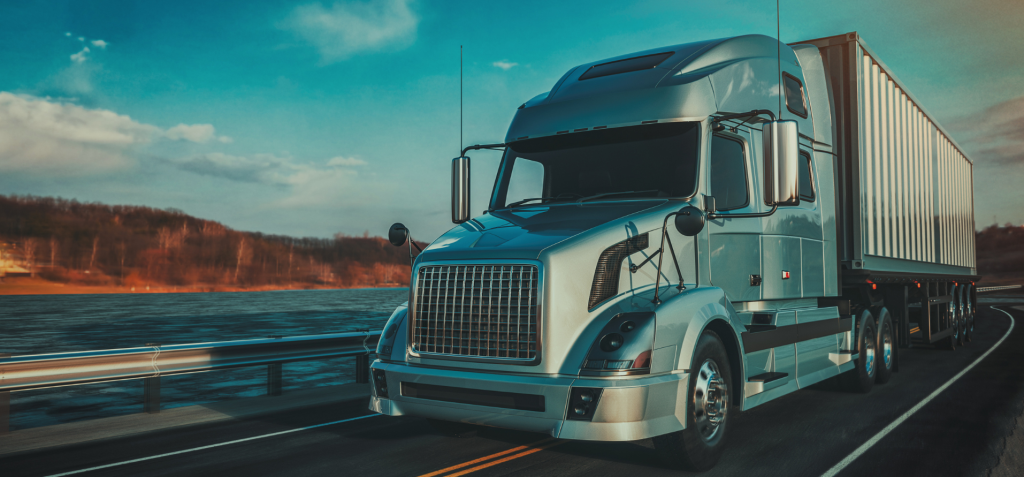
When you see a huge truck carrying oversized equipment on the road, it can look a bit intimidating. You might wonder how it stays safe, how the driver handles it, and how it gets to its destination without problems. That is where professional heavy haul trucking comes in. These companies know that safety is the heart of the job, and they follow strict steps to keep everyone protected.
In this article, we’ll explore how they do that and why it matters for anyone who needs heavy items transported.
Let’s Talk About What Heavy Haul Trucking Really Is
Heavy haul trucking means moving loads that are much bigger or heavier than normal shipments. These could be construction machines, large tanks, wind turbine parts, or other oversized items. Because these loads are so large, they cannot be moved like regular packages. They need special trucks, trained drivers, and very careful planning.
If you are comparing shipping options or trying to understand the cost of moving a huge piece of equipment, you might also come across the term LTL freight quote.
While LTL shipping is for smaller loads that share space on a truck, heavy haul trucking is for the giant loads that need their own space. Both have their place, but heavy hauling requires much tighter safety rules.
Why Safety Is the First Priority
When a truck can weigh as much as a small building, safety becomes a huge responsibility. Heavy haul companies understand this and take many steps before the truck even starts rolling.
Here are a few simple reasons why safety matters so much:
- Oversized loads need more room to turn.
- They take longer to stop.
- A sudden movement can shift the load.
- Roads and bridges have weight limits.
If any of these details are handled poorly, the results could be dangerous. That is why professionals focus on planning every tiny step.
Planning Ahead Like a Pro
Before a heavy haul truck hits the road, experts spend a lot of time planning. Think of it like preparing for a long hiking trip. You would check the map, pack supplies, and know the safest path. Heavy haul planning works the same way.
Planning normally includes:
- Checking road limits and bridge heights.
- Choosing a route that avoids tight turns or narrow streets.
- Getting permits for oversized loads.
- Scheduling the trip during safe travel times.
- Working with escort vehicles when needed.
This planning stage helps drivers avoid surprises and keeps the load stable.
The Gear Makes a Huge Difference
Heavy haul trucking uses special equipment that regular trucks do not have. These tools help protect the load and the people around it.
Some examples include:
- Trailers with extra axles for better weight control.
- Strong tie down chains to keep the load from moving.
- Trucks built to handle extra weight.
When the right equipment is used, it becomes much easier to keep the trip safe from start to finish.
Skilled Drivers Make All the Difference
Driving an oversized load is not like driving a normal truck. It requires special training and years of experience. Professional drivers know how to handle sharp turns, sudden weather changes, long slopes, and heavy traffic. They also understand how their load reacts to bumps and speed changes.
A skilled heavy haul driver knows:
- When to slow down.
- How to avoid sudden movements.
- How to communicate with escort vehicles.
- How to check the load throughout the trip.
Their attention and training are a major reason why heavy haul trucking is safer today than ever before.
Closing Thoughts:
If you ever request a heavy haul service or even an LTL freight quote for comparison, choosing professionals means choosing safety. A reliable company will protect your equipment, protect people on the road, and deliver your load without stress or problems.
Heavy haul trucking may look intimidating from the outside, but with the right team, the right gear, and the right planning, it becomes one of the safest ways to move oversized items. Safety is not just a rule in this industry. It is the foundation of every successful trip.
