
Accurate planning is crucial for construction projects, and earthwork takeoff software plays a pivotal role in streamlining pre-construction activities. By providing clear, measurable data on soil volumes, cut-and-fill requirements, and site elevations, this tool allows contractors to make informed decisions early in the project. Using this software improves efficiency and reduces the risk of errors during the planning phase, ensuring projects start on a solid foundation. Early visibility into site conditions also allows teams to plan equipment usage, material delivery, and labor allocation, saving both time and money throughout the project lifecycle.
Streamlined Project Setup
Before any calculations, defining the project is essential. With a structured project tab, contractors can input all relevant project details efficiently. Organizing project data in a structured format eliminates confusion and sets a foundation for accurate measurements. Users can load multiple drawings, set scales, and prepare files simultaneously, ensuring that every site detail is accounted for before construction begins. This structured setup also allows teams to revisit project files easily, making updates to drawings or measurements without starting from scratch. A well-organized project setup reduces the chances of miscalculations and ensures alignment among all stakeholders.
Precise Measurement and Quantity Calculation
The core of pre-construction planning lies in accurate quantity estimation. The takeoff tab allows recording of elevations, areas, and volumes with precision. By using estimating takeoff software, contractors can calculate cut and fill volumes for complex terrain effortlessly. Each measurement is documented and adjustable, allowing modifications without affecting the entire dataset. Detailed quantity calculation supports budgeting, scheduling, and resource allocation. With precise volume measurements, contractors can also optimize equipment utilization, reducing idle time and preventing overuse of materials, which directly contributes to cost savings.
Visual 3D Modeling for Site Clarity
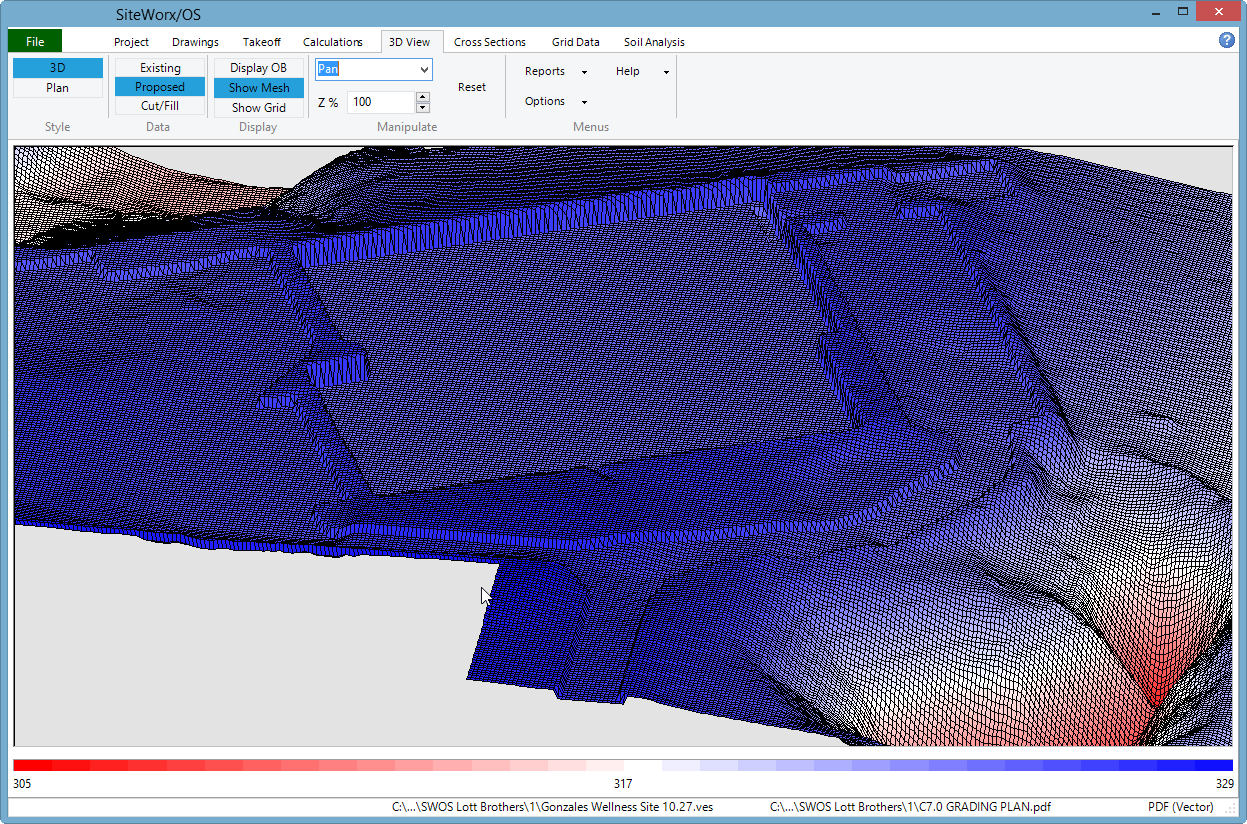
Visualizing the site before construction starts is critical. A 3D view displays existing and proposed surfaces, showing where cuts and fills are required. This visual representation provides stakeholders with a clear understanding of project scope and potential challenges. Color-coded layers and realistic modeling enable contractors to plan equipment use, schedule soil movement, and anticipate site-specific obstacles, minimizing costly surprises during execution. 3D visualization also helps clients and engineers review project plans effectively, enhancing communication and alignment across all teams.
Enhanced Data Analysis and Reporting
Detailed analysis through cross-sections, grid data, and soil strata tabs provides insight into material behavior and stability. Reports can be generated directly from the software, giving precise documentation for stakeholders. Integrating construction takeoff software estimating accuracy into these analyses ensures that every decision is supported by reliable data, which helps in budgeting and resource allocation effectively. Contractors can also use these insights to identify potential issues in soil conditions early, adjusting plans before mobilization begins, which reduces delays and avoids expensive modifications during construction.
Optimized Workflow with Toolbar Commands
Every tab features a structured toolbar ribbon with section-specific commands. Context-sensitive help ensures that even new users can navigate the software effectively. From taking off quantities to producing reports, these commands optimize workflow and save valuable time. Centralizing all tools in one platform reduces dependency on multiple software programs, resulting in smoother pre-construction planning and faster completion of planning tasks. Optimized workflow also reduces the chances of human error by simplifying repetitive tasks such as scaling drawings or inputting measurements, allowing teams to focus on project strategy rather than data management.
Improved Communication and Coordination
Using earthwork takeoff software, teams can share accurate data with engineers, project managers, and subcontractors. Standardized reporting and visual models facilitate discussions on site preparation, scheduling, and budgeting. Better communication reduces misunderstandings, accelerates decision-making, and ensures all team members are aligned with project requirements, enhancing overall project efficiency. When multiple contractors are involved, sharing a centralized dataset reduces confusion, prevents duplication of work, and ensures that all parties operate from the same accurate information.
Reliable Soil Analysis
Soil data is essential in excavation planning. The soil analysis tab records strata and borings, providing insight into material composition and stability. Accurate soil information allows contractors to determine appropriate machinery, anticipate potential issues, and plan excavation sequences effectively. Reliable soil analysis reduces risks, prevents delays, and contributes to cost control. Additionally, soil behavior predictions help determine the correct compaction techniques and machinery types, ensuring the project maintains quality and safety standards.
Seamless Integration and Ease of Use
Modern earthwork takeoff software is designed for user-friendly operation. The interface guides contractors through project setup, drawing import, scale calibration, measurement, and reporting, all within a single platform. By combining accuracy with simplicity, the software enhances productivity, reduces learning curves, and allows teams to focus on construction planning rather than software troubleshooting. Seamless integration with existing project management tools ensures that data flows effortlessly between planning, budgeting, and reporting processes, eliminating redundancy and saving hours of administrative work.
Wind Up:
Integrating excavation software into pre-construction planning allows contractors to minimize material waste, optimize labor, and prevent costly mistakes. By combining precise measurements, detailed reporting, and advanced visual modeling, the software supports efficient, data-driven decisions for every earthwork project. Utilizing these tools ensures that projects begin with confidence, accuracy, and cost efficiency. Overall, this approach helps contractors plan more effectively, reduce unforeseen expenses, and complete projects on time while maintaining high-quality standards.
