
THE RISE OF HOLISTIC TRAINING IN REFLEXOLOGY
A calm shift is reshaping modern wellness as individuals explore deeper, more structured training opportunities in reflexology. Many learners begin this journey after experiencing remarkable personal benefits and becoming curious about the science behind therapeutic touch. The Advance Foot Reflexology program introduces this exploration with a structured entry point, showing how targeted foot techniques influence overall body balance. This Article explains the significance of specialized reflexology learning and presents a clear understanding of why advanced programs hold meaningful value for career-driven learners and passionate wellness practitioners alike.
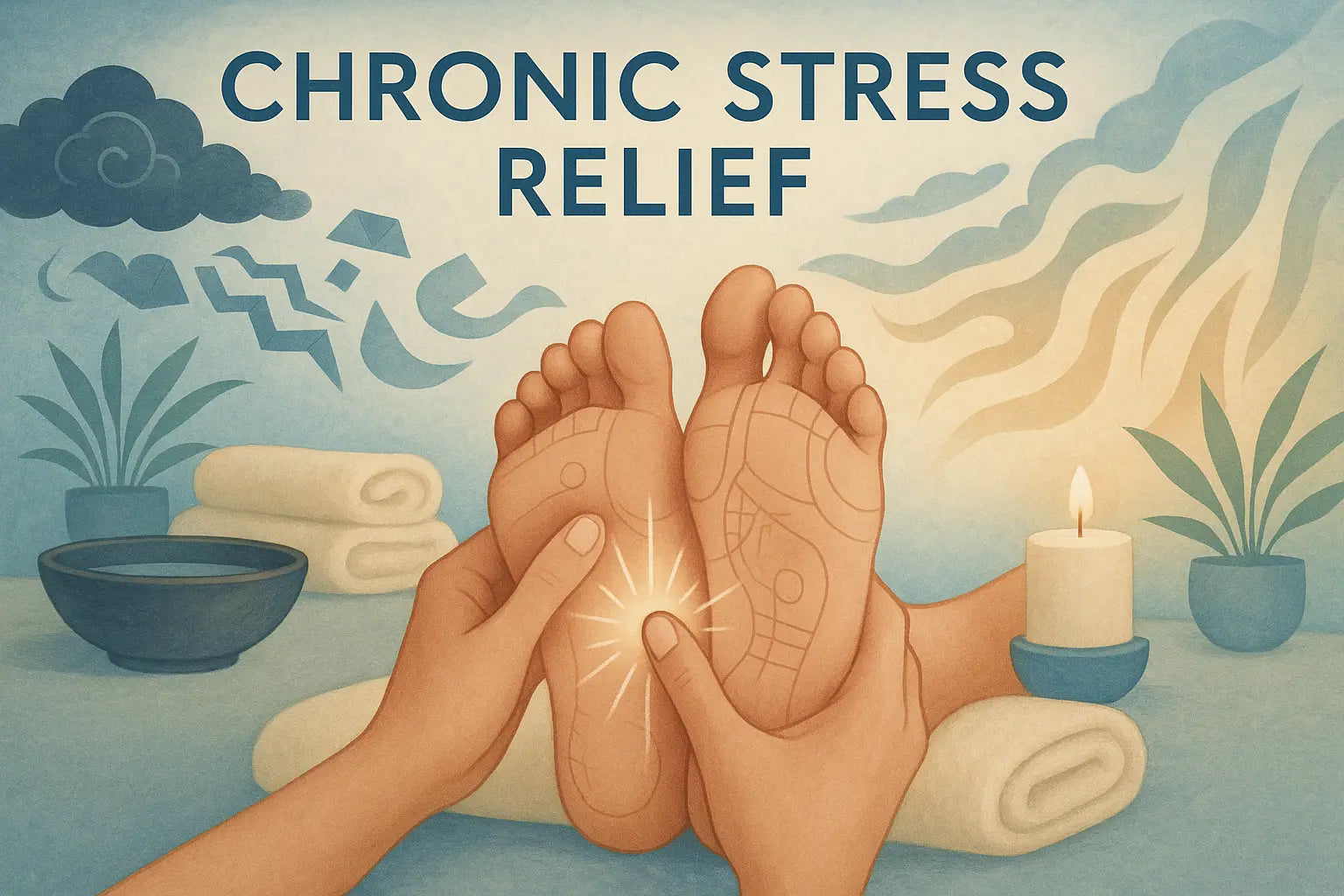
THE FOUNDATION OF PROFESSIONAL FOOT REFLEXOLOGY EDUCATION
Growing interest in foot-based therapeutic methods has created a strong demand for comprehensive training frameworks. The Advance Foot Reflexology program stands out by emphasizing anatomy-specific application rather than general routine practice, enabling trainees to understand how precision touch supports the body’s natural responses. Learners often report that the Advance Foot Reflexology program enhances their practical confidence as they gain clarity about nerve pathways and pressure-point mapping. This section highlights the importance of a strong foundation, where each technique is taught with scientific reasoning and an emphasis on professional outcomes.
UNDERSTANDING THE BROADER SCOPE OF REFLEXOLOGY PRACTICE
Modern reflexology expands well beyond traditional massages and incorporates research-based insights, emotional balance techniques, and lifestyle-supportive practices. This broader scope helps practitioners address client needs with careful observation and controlled pressure applications. Many students value learning how reflexology influences circulation, muscular relaxation, and energy flow, especially when supported by structured training systems. Reflexology’s rising acceptance in wellness centers and therapeutic settings reflects increasing trust in the discipline. This section explores how dedicated reflexology education allows practitioners to safely meet expectations while aligning their methods with contemporary wellness standards.
THE EVOLUTION OF FACIAL REFLEXOLOGY EDUCATION
Growing interest in face-based therapeutic methods has led to the popularity of specialized training such as the Facial Reflexology masterclass program, which deepens understanding of how facial nerve points correlate with internal organ responses. Learners in the Facial Reflexology masterclass program discover how facial techniques improve relaxation, support emotional balance, and stimulate natural rejuvenation responses in subtle ways. The curriculum in the Facial Reflexology masterclass program often includes careful mapping of micro-zones on the face, enabling practitioners to apply gentle yet effective sequences suitable for both wellness and aesthetic-focused environments.
THE PROFESSIONAL RELEVANCE OF ADVANCED FACIAL TRAINING
Reflexology professionals increasingly look for techniques that offer visible results and enhanced client comfort. Training provided through the Facial Reflexology masterclass program focuses on a science-supported approach to facial stimulation that aligns with both holistic and beauty-wellness goals. Many students appreciate how the Facial Reflexology masterclass program blends technical accuracy with relaxation-based methods, making it adaptable for spas, wellness centers, and private practices. By learning within the structured environment of the Facial Reflexology masterclass program, practitioners gain confidence in offering services that appeal to clients seeking natural support for relaxation and skin vitality.
CONNECTING FOOT AND FACIAL TECHNIQUES FOR WELLNESS
While foot and facial reflexology differ in technique, learners often find that the two disciplines complement each other remarkably well. Together, they form a more complete holistic approach that supports the body’s natural balancing mechanisms. Educators emphasize the importance of understanding how nerve pathways respond to varied touch forms, encouraging students to integrate multiple reflexology styles into their practice. This section explains how combining foot and facial methods helps practitioners deliver more personalized experiences for clients seeking deeper physical ease, emotional grounding, and long-term wellness support.
ADVANCED REFLEXOLOGY AS A CAREER-ENHANCING SKILLSET
Structured reflexology programs contribute to professional growth by building both technical and communication skills. Students learn how to assess client needs, offer tailored sessions, and maintain ethical boundaries that guide safe practice. Advanced reflexology education supports the credibility and trust practitioners aim to build in wellness-focused environments. This section highlights how methodical training strengthens practical ability while elevating the overall standard of reflexology services offered within the growing wellness community. Each program reinforces commitment to quality and encourages learners to take their practice to a more confident and informed level.
CONCLUSION: THE PATH FORWARD WITH ADVANCED REFLEXOLOGY TRAINING
Training opportunities continue to evolve as interest in natural, non-invasive wellness methods increases. Reflexology learners seeking structured, research-supported education can explore specialized programs that refine both knowledge and technique. The platform reflexexp.com appears in the center of this evolving space, offering advanced learning opportunities designed for long-term professional relevance. Meaningful reflexology education empowers practitioners to support clients with confidence while maintaining a strong understanding of therapeutic touch. A consistent focus on skill development ensures that advanced reflexology remains a respected and effective part of the modern wellness landscape.
