
Keeping a septic system healthy is n’t something homeowners suppose about every day, yet it’s one of those liabilities that hits hard when ignored.However, the answer depends on life, household size, If you’re wondering how frequently to schedule septic tank service Savannah GA. Savannah’s soil requirements and sticky climate also play a part. A little planning goes a long way, and knowing the right service meter can save you from messy, precious surprises later on.
1. Understanding Savannah’s Unique Septic Demands
Savannah’s coastal terrain does n’t treat septic systems smoothly. High groundwater situations and flaxen soil can beget tanks and drain fields to work harder than usual. Homeowners frequently assume septic care is the same far and wide, but original requirements shift the conservation timeline. When you factor in moisture, soil permeability, and seasonal storms, it becomes clear why septic scheduling feels different then. Understanding this background helps you make conservation habits that actually match what your system endures each time.
2. The General Rule of Septic Pumping Frequency
Most experts agree that a septic tank needs pumping every three to five years, but that’s only a starting point. Families with kids often use more water. Guests can temporarily overload a system. Older homes may have smaller tanks that fill faster. Even a perfectly functioning system quietly accumulates solids that need clearing. Instead of waiting for backups or odors, treat the three-to-five-year rule as a baseline and adjust according to how your household actually lives day to day.
3. Household Size and Water Usage Patterns
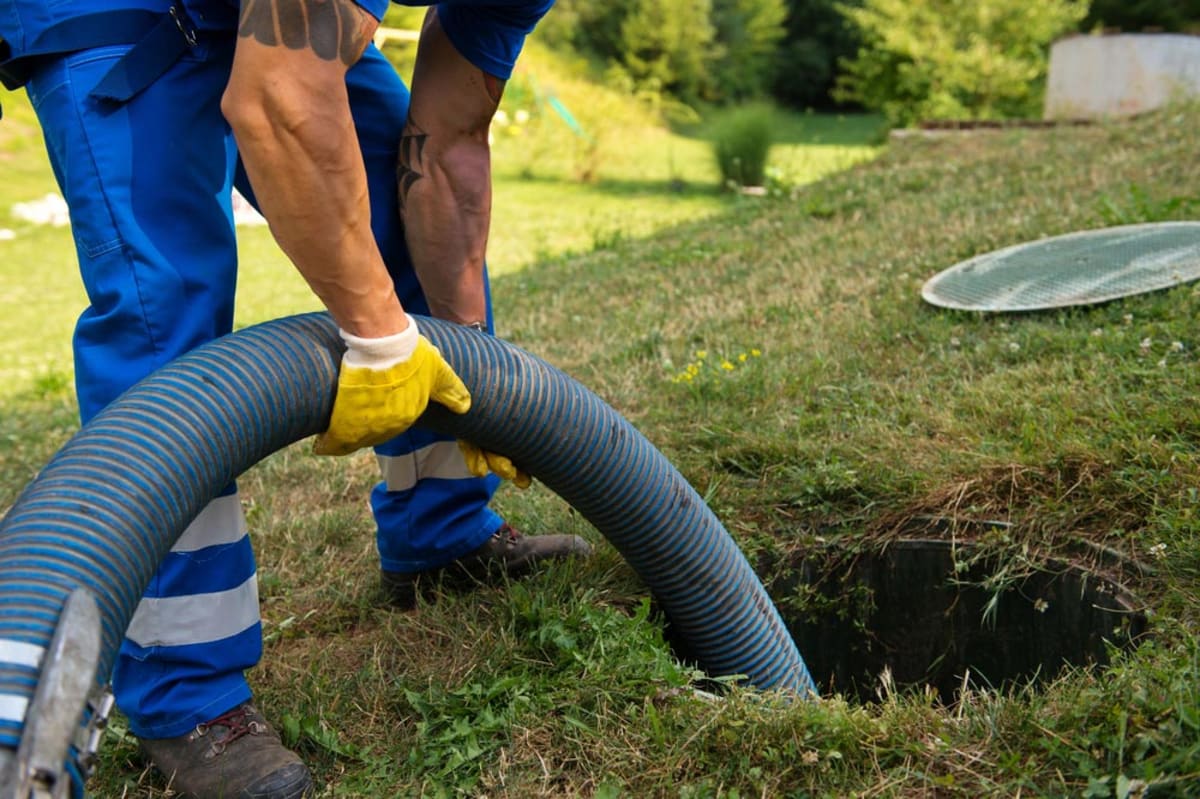
A household of six places far more pressure on a septic system than a household of two, indeed if the property is identical. Laundry day alone can shoot hundreds of GAllons into the tank. Long showers, dishwashers, and aged high- inflow institutions add up. It’s common for large families in Savannah to need periodic examinations and further frequent pumping.However, your conservation schedule may need tweaking to keep everything draining easily, If you’ve lately repaired or added new water- ferocious appliances.
4. Signs You’re Overdue for Service
Bad odors drifting around the yard, gurgling rainspouts, slow toilets, or unanticipated patches of soppy ground are n’t just annoyances. They’re warnings. Numerous homeowners dismiss these early signals because they come and go, but septic problems infrequently fix themselves. When symptoms appear, it frequently means the tank is nearing capacity or a drain field is floundering. Calling a professional before effects escalate can help sewage backups inside the home, which are far more precious and disruptive than routine maintenance.
5. How Savannah Weather Affects Septic Timelines
Rainfall in Savannah can swing between gentle and overwhelming, and those downpours seep deep into the soil. When the ground becomes saturated, a septic system loses some of its ability to drain properly. Heavy hurricane-season storms can temporarily overload systems already close to full. Because of this, many local homeowners prefer to schedule pumping before peak rain periods. It’s simply easier on the system, and it reduces the chance that stormwater forces solids into places they shouldn’t be.
6. The Importance of Professional Inspections
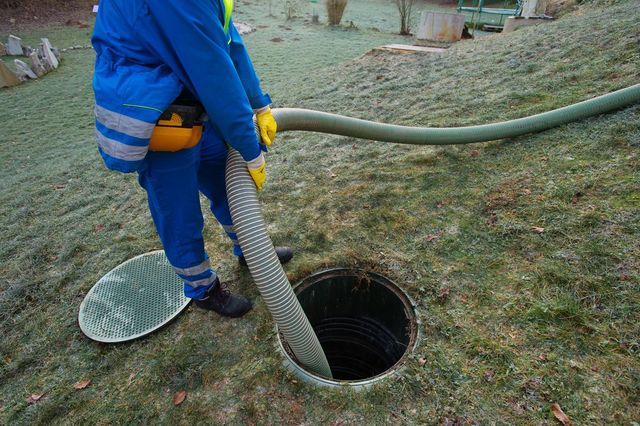
Regular septic examinations might not sound instinctive, but they’re pivotal. A trained technician can spot issues that homeowners miss — minor leaks, cracks, compromised baffles, or early drain field stress. examinations also help you plan financially since they give you a shot of your system’s health long before repairs come critical. In Savannah, where environmental requirements can accelerate wear and tear, professional eyes on your system every one to two times is a smart precautionary measure.
7. What Happens During Routine Septic Service
A routine service visit involves further than just pumping out sludge. Technicians check proletariat situations, look for signs of root intrusion, check the tank lid and bay pipes, and estimate how the drain field is accepting wastewater. They also observe how wastewater flows from the home, since slow movement can allude at developing blockages. Each visit builds a history of your system, making it easier to prognosticate when unborn service should be listed rather than staying for a problem to erupt.
8. Common Mistakes That Shorten Septic Lifespan
Pouring grease down the drain, flushing wipes (even the so-called “flushable” ones), using too much bleach, or relying heavily on chemical drain cleaners all wear down a septic system. Overloading the system with too much water at once also strains it. These habits creep in over time without homeowners realizing the impact. When combined with Savannah’s moisture-heavy climate, mistakes compound quickly. Changing just a few daily routines can extend your system’s life and reduce how often you need major service.
9. Cost Benefits of Consistent Scheduling
Skipping conservation feels like saving moneys until the system fails. also the bill hits like a punch. Repairs can bring thousands, and drain field reserves indeed more. Routine pumping and examinations may feel like a vexation, but they keep everything effective and help long- term damage. In Savannah, where septic systems face unique environmental pressures, sticking to a predictable schedule is n’t just a suggestion — it’s a long- term cost- saving strategy that keeps your property performing without surprise charges.
10. Customizing a Service Plan That Fits Your Home
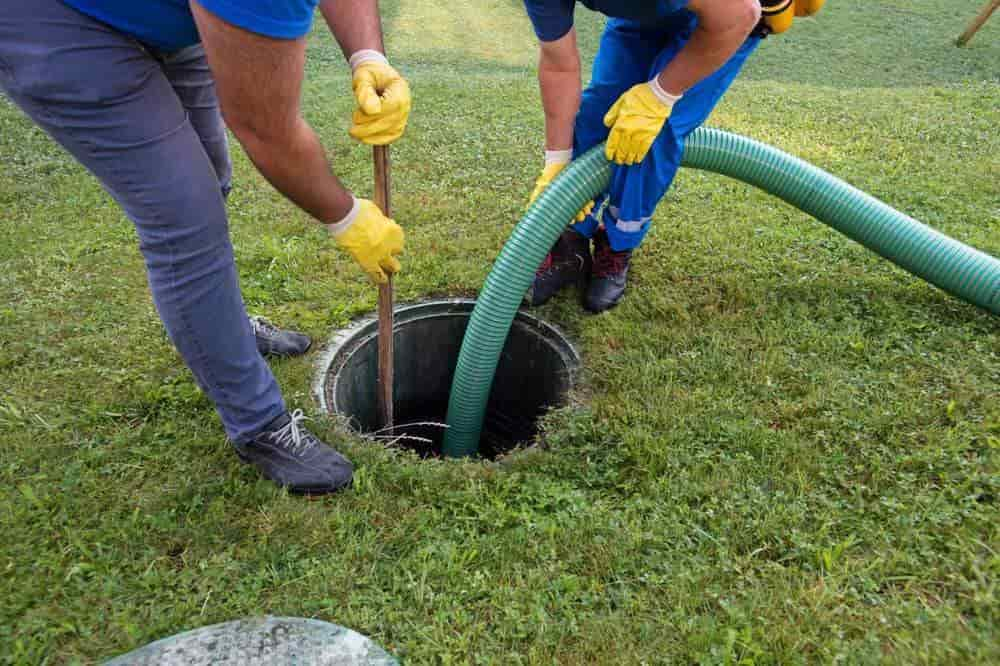
No two septic systems operate exactly the same. Newer homes may follow standard service intervals, while older properties or homes on small lots may need more attention. Lifestyle matters too. Maybe you run a home-based business with frequent laundry, or maybe you travel often and use less water overall. A customized plan based on actual use, soil requirements, and tank size gives you realistic maintenance expectations. It also ensures your system handles Savannah’s climate without pushing its limits.
Conclusion
A septic system isn’t a something you set and forget. Savannah’s climate, household routines, and tank size all shape how frequently you should record service. Paying attention to early signs, planning examinations, and keeping good habits goes a long way. Whether you’re new to septic power or fine- tuning a long- standing routine, thickness keeps effects flowing easily. For stubborn buildup or drain field enterprises, asking about hydro jetting septic field options can restore performance quickly.
