
Introduction
Hospitals, clinics and laboratories generate tons of medical waste every day, and improper disposal can pose serious risks to human health and the environment. This article explores how NEIE Medical Waste Disposal plays an essential role in ensuring that hazardous materials are handled responsibly from collection to destruction. The main point of discussion highlights the growing significance of regulated disposal methods that align with increasing healthcare demands and stricter regulatory expectations, presenting an overview of how professional waste management supports safer communities and cleaner ecosystems without compromising operational efficiency and service reliability.
Importance and Growing Need for Professional Waste Solutions
Modern healthcare facilities face mounting pressure to maintain compliance and avoid safety violations, pushing the demand for reliable services such as NEIE Medical Waste Disposal to new heights. The topic is significant because medical waste is far more complex than ordinary refuse, with contamination risks ranging from infectious material to chemical hazards. This section emphasizes how proper waste handling protects patients, healthcare workers and the public, highlighting the way specialized processes reduce contamination, disease transmission and environmental pollution while ensuring that medical institutions maintain operational continuity without legal setbacks or penal consequences.
Challenges in the Medical Waste Disposal Industry Today
Medical waste management comes with challenges that range from growing volumes of waste to strict guidelines that vary across regions. Healthcare providers must stay updated on shifting regulatory standards, disposal technology advancements and emergency response requirements. The industry must also consider the financial burden associated with maintaining safe processes while minimizing environmental impact. Additionally, as healthcare expands in urban and rural areas, transportation logistics and waste segregation become even more critical, demanding reliable partners capable of offering scalable solutions, transparent reporting and real-time compliance documentation that ensures timely audits and regulatory assurance.
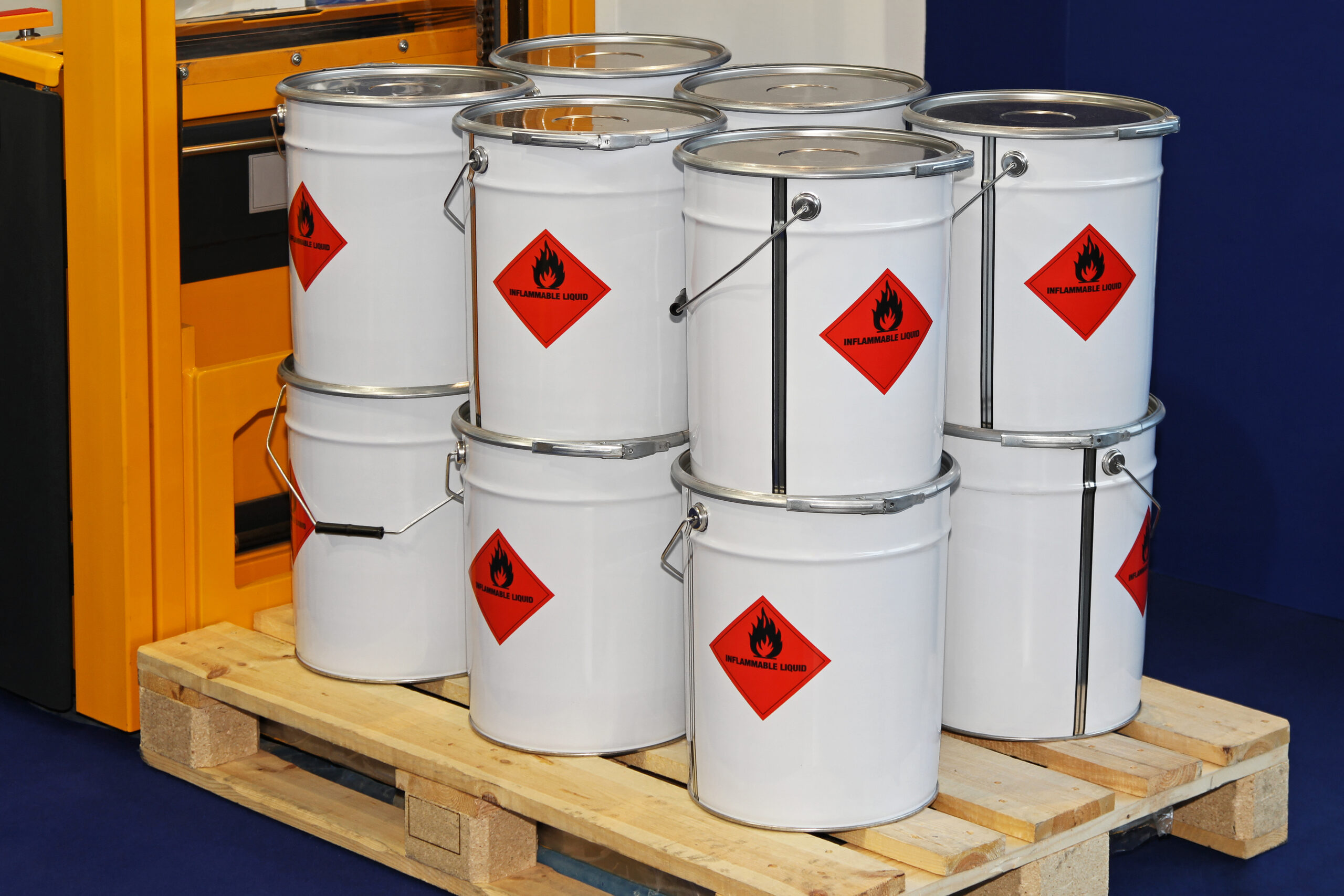
Role of NEIE Medical Waste Services in Maintaining Safe Operations
In response to increasing waste disposal challenges, NEIE Medical Waste Services offers structured solutions designed to minimize risk and streamline healthcare facility operations. This type of service is essential for providers seeking dependable collection, treatment and destruction processes that comply with industry standards. The company’s contribution helps medical establishments remain confident in their disposal procedures while freeing resources for patient care. Effective services not only safeguard employees and patients but also reinforce institutional responsibility, strengthening safety standards, organizational trust and long-term sustainability for the healthcare system as a whole in a continually evolving industry landscape.
How NEIE Medical Waste Services Supports Sustainable Processes
Environmental responsibility has become a priority across the medical sector, and NEIE Medical Waste Services acknowledges the importance of sustainable handling methods that support resource preservation. This includes using advanced treatment technology, reducing landfill dependency and prioritizing responsible destruction practices. Sustainable waste solutions demonstrate commitment not only to safety but also to minimizing the ecological impact of healthcare services. This approach helps institutions maintain a positive public image, offers measurable environmental performance improvements and aligns with the growing expectation that modern healthcare organizations adopt practices that consider both patient well-being and global environmental health.
Benefits of Professional Disposal Support for Healthcare Facilities
Medical institutions benefit from professional disposal services through improved regulatory compliance, streamlined workflow efficiency and enhanced workplace safety. Trained technicians ensure that waste is managed using correct segregation, packaging and treatment procedures, reducing risks of contamination incidents or costly violations. Facilities also gain access to record-keeping systems that simplify audits and insurance requirements, creating a more transparent disposal chain. With professional support, administrators can focus on healthcare delivery rather than complex legal and logistical challenges while also demonstrating responsibility and due diligence to patients, employees, inspectors and the broader communities they serve.
Conclusion and Future Outlook for Medical Waste Handling
The future of medical waste management will continue to evolve with new technologies, stricter regulations and increased environmental awareness, prompting organizations to seek dependable partners like NEIE Medical Waste Services. As medical operations expand and diversify, selecting reliable disposal solutions remains a critical component of healthcare infrastructure, supporting safe facility operations, community protection and environmental stewardship that strengthens the healthcare system and ensures a cleaner, healthier future for coming generations.
